
Fork Truck Training 101: OSHA Violations You Can’t Afford to Ignore
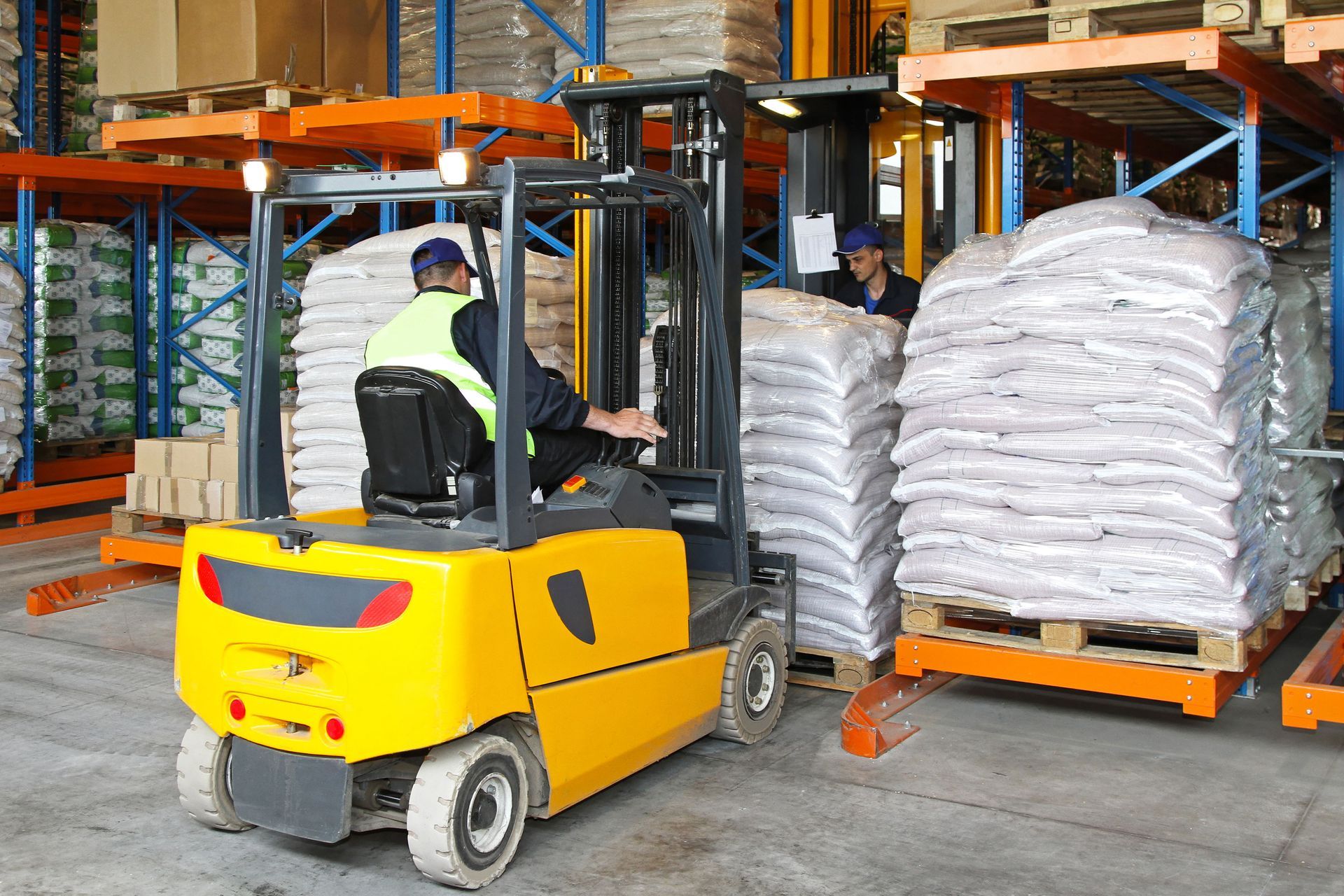
Fork truck operations are essential to modern warehouses, distribution centers, and construction environments. These machines improve efficiency and productivity, but they also introduce serious risks when not handled properly. Without proper training and adherence to safety standards, a single fork truck incident can result in injuries, costly downtime, or regulatory penalties. The Occupational Safety and Health Administration (OSHA) establishes strict guidelines to reduce these risks, making compliance a critical responsibility for every business. Understanding how to properly train employees, maintain equipment, and enforce safety protocols is key to avoiding violations. By prioritizing proper fork truck procedures, companies can protect their workforce, maintain productivity, and avoid unnecessary legal and financial consequences.
Understanding OSHA Requirements for Fork Truck Safety
OSHA regulations provide a structured framework designed to ensure safe fork truck operation in the workplace. These standards cover everything from operator certification and daily inspections to load handling and safe driving practices. Employers are required to ensure that every fork truck operator is trained, evaluated, and certified before operating equipment. This is not a one-time requirement but an ongoing process that must evolve alongside workplace conditions and equipment updates.
Many businesses make the mistake of assuming experience alone is enough to qualify an operator. However, OSHA mandates formal instruction, practical training, and performance evaluations. Another common misunderstanding is that compliance ends after initial certification. In reality, refresher training is required whenever an operator demonstrates unsafe behavior, is involved in an accident, or when workplace conditions change.
Staying informed about regulatory updates is equally important. OSHA continues to adapt standards to reflect new technologies and emerging risks. According to the Wall Street Journal, OSHA cites approximately 2,000 violations annually for inadequate training, highlighting how widespread compliance issues remain. Employers and supervisors must take an active role in enforcing standards, conducting audits, and ensuring every fork truck in operation meets safety expectations.
Recognizing the True Cost of OSHA Violations
Failing to comply with OSHA regulations can have serious financial consequences. Penalties for violations can range from minor fines to significant financial burdens that strain business operations. For companies operating on tight margins, even a single violation can disrupt cash flow and long-term planning. Beyond fines, businesses often face increased insurance premiums and legal expenses that add to the overall cost. Operational disruptions are another major concern. When violations occur, companies may be forced to halt operations until compliance is restored. These interruptions can delay projects, impact customer satisfaction, and create bottlenecks across the supply chain. A poorly managed fork truck program can quickly ripple through an entire organization.
Legal liability presents an even greater risk. Accidents involving a fork truck can lead to lawsuits, workers’ compensation claims, and, in severe cases, criminal charges. These legal challenges can take years to resolve and may permanently impact a company’s reputation. Publicized violations or accidents can erode trust with customers and partners, making it difficult to maintain business relationships. Real-world examples demonstrate how costly these violations can be. Companies have faced six-figure penalties and long-term reputational damage simply because they failed to implement proper fork truck training. These outcomes emphasize the importance of taking OSHA compliance seriously from the start.
Prioritizing Core Elements of Fork Truck Safety
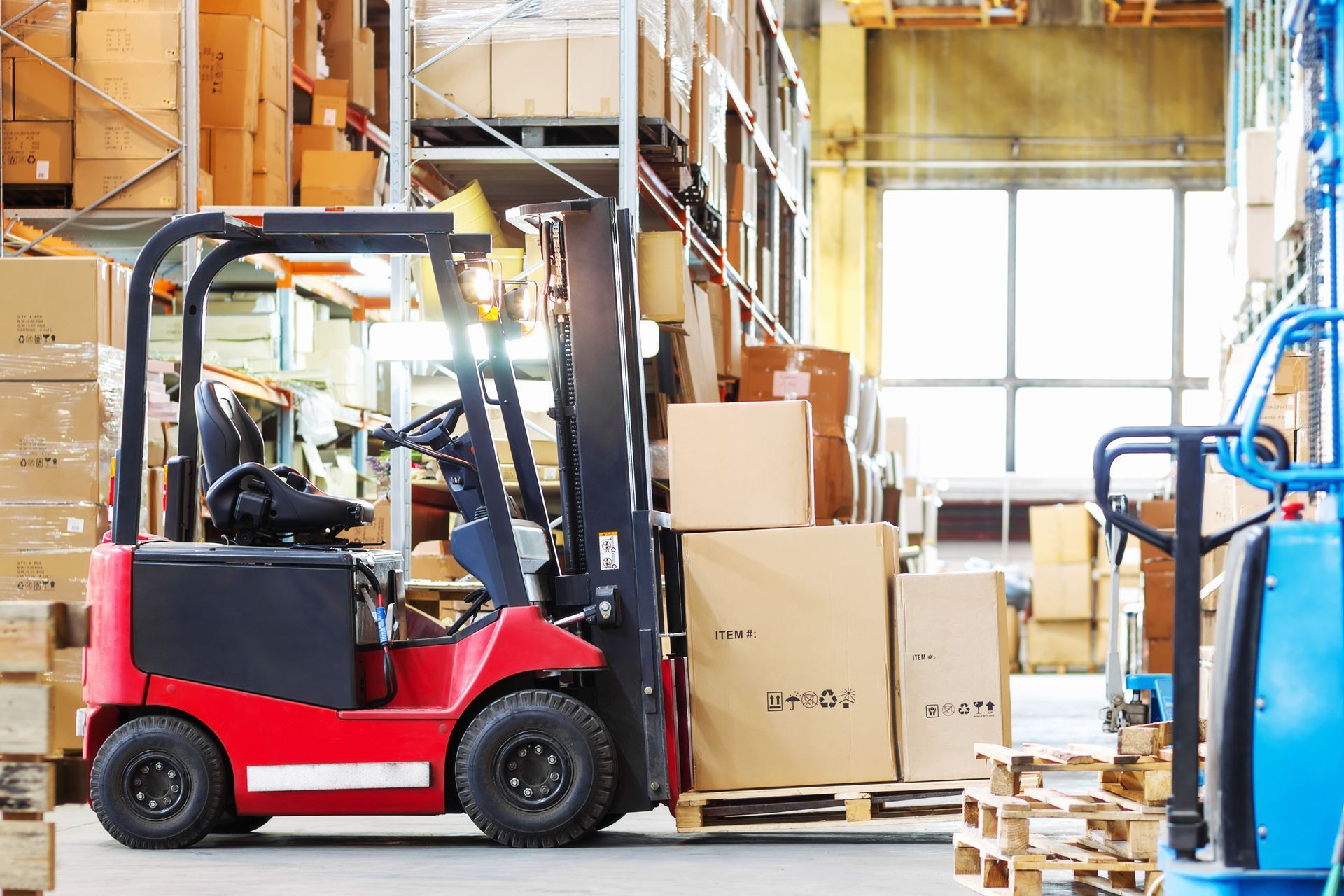
Effective fork truck safety begins with comprehensive operator training. Employees must understand how to properly control the equipment, recognize hazards, and respond to emergencies. Certification programs should include both classroom instruction and hands-on experience to ensure operators are fully prepared. Routine maintenance is another critical component. Every fork truck should undergo regular inspections to confirm it is in safe working condition. Identifying issues early prevents mechanical failures that could lead to accidents or downtime. Keeping detailed maintenance records also helps demonstrate compliance during inspections.
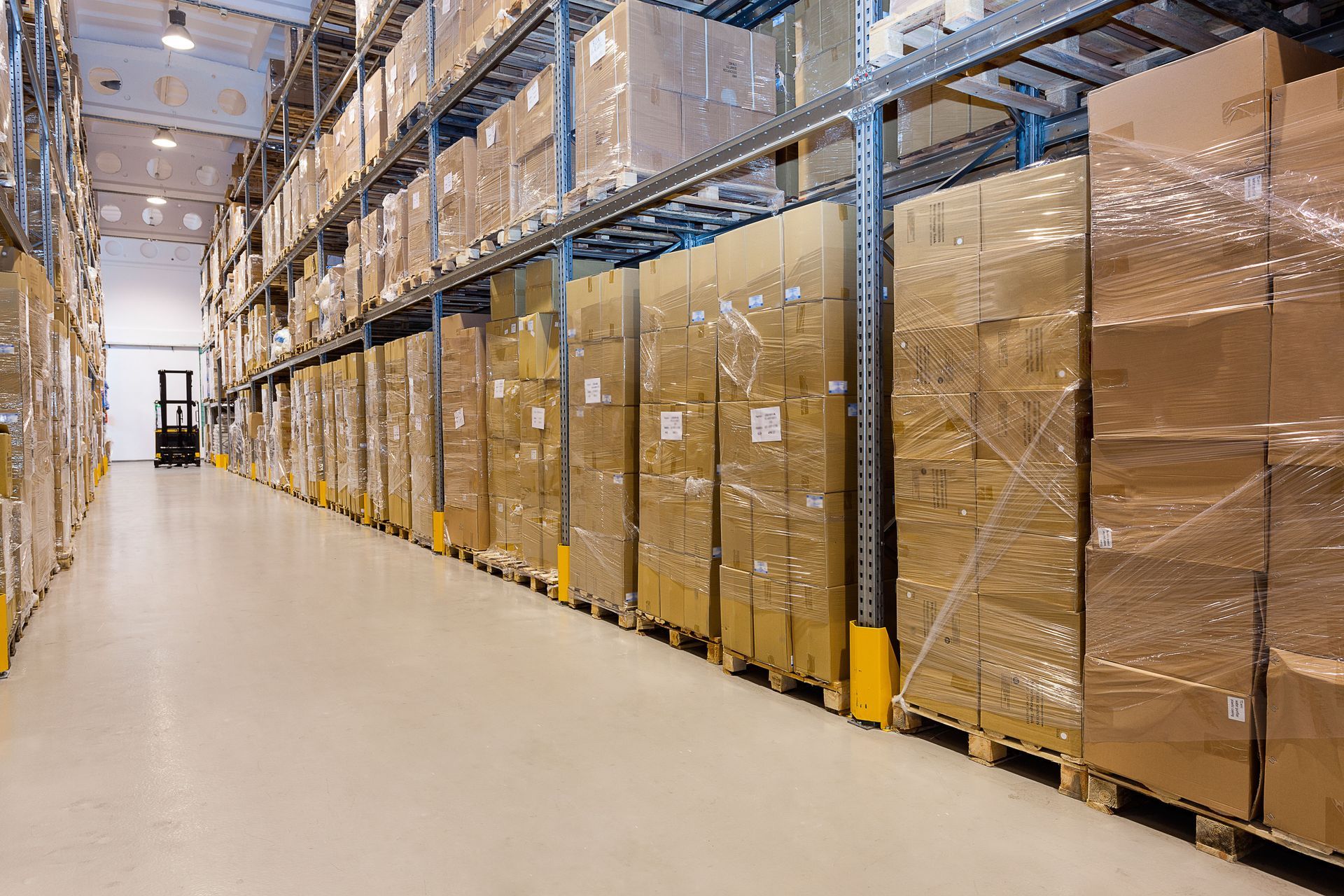
Safe operating practices must be reinforced daily. Operators should follow speed limits, handle loads correctly, and remain aware of their surroundings at all times. Clear signage, designated pathways, and proper communication protocols all contribute to safer operations. Workplace layout also plays a major role. Adequate lighting, organized storage areas, and obstacle-free paths help reduce the risk of collisions or tipping incidents.
Emergency preparedness is equally important. Employees should know exactly what to do in the event of an accident, including evacuation procedures and first-aid response. Regular drills ensure everyone is ready to act quickly and effectively. When these core elements are prioritized, businesses create a safer environment for every fork truck operator and employee.
Implementing Structured Fork Truck Training Programs
A successful fork truck training program starts with a clear understanding of workforce needs. Employers must evaluate current skill levels, identify gaps, and tailor training accordingly. A one-size-fits-all approach is rarely effective, especially in environments with varying levels of experience.
The training curriculum should combine theory with practical application. Classroom instruction helps operators understand regulations and safety principles, while hands-on training builds confidence and competence. Real-world scenarios and case studies can enhance learning by showing how mistakes happen and how they can be prevented.
Continuing education plays a key role in long-term success. Refresher courses help reinforce knowledge and keep operators up to date with new technologies and safety practices. As equipment evolves, so must the training programs that support it. A well-structured training system ensures every fork truck operator remains skilled, confident, and compliant.
Leveraging Technology to Improve Fork Truck Training
Technology is transforming the way businesses approach fork truck training and safety. Simulation-based training, including virtual reality, allows operators to practice in a controlled environment without real-world risks. These simulations replicate common scenarios, helping employees develop critical decision-making skills.
Online training platforms offer flexibility and scalability, making it easier to deliver consistent instruction across multiple locations. Employees can complete coursework at their own pace while employers track progress and performance through integrated systems. However, digital training should always be paired with hands-on experience to ensure practical proficiency. Augmented reality tools are also gaining traction, providing real-time guidance during equipment operation. These systems can display safety prompts, operational instructions, and troubleshooting steps directly within the operator’s field of view. This enhances accuracy and reduces the likelihood of errors.
The integration of IoT devices and safety sensors further improves fork truck operations. These technologies monitor equipment performance, detect potential issues, and alert operators before problems escalate. Learning Management Systems (LMS) tie everything together by tracking certifications, scheduling training, and generating compliance reports. By embracing these innovations, businesses can significantly enhance safety and efficiency.
Building a Culture Focused on Fork Truck Safety
Creating a culture of safety requires strong leadership and consistent commitment. Management must set clear expectations, allocate resources, and lead by example. When leaders prioritize safety, employees are more likely to follow suit. Employee engagement is another key factor. Encouraging open communication allows workers to report hazards, share feedback, and contribute to safety improvements. When employees feel involved, they take greater ownership of their responsibilities.
Regular audits and feedback loops help maintain accountability. By continuously evaluating operations and addressing concerns, businesses can identify risks before they lead to violations. Building a supportive safety community ensures that everyone—from management to entry-level workers—plays a role in maintaining compliance.
Avoiding OSHA violations requires more than basic awareness—it demands a proactive and ongoing commitment to safety, training, and compliance. From understanding regulations to implementing advanced training programs and leveraging modern technology, every step plays a role in reducing risk. A well-trained team operating a properly maintained fork truck is far less likely to encounter accidents or violations. By fostering a culture that prioritizes safety and continuous improvement, businesses can protect their workforce, maintain operational efficiency, and avoid costly setbacks. For expert support and reliable solutions that enhance your operations, trust Material Handling Products Corp.
Share On: